
Getting your first tattoo can feel like stepping into a new world full of possibilities and personal expression. It’s not just about picking a design but embracing an experience that will leave a permanent mark on your skin and your story. The first step is familiarizing yourself with the tattoo process, from consultation to aftercare. Knowing what to expect helps reduce anxiety and ensures you’re ready to enjoy the moment. In Minneapolis, tattoo shops often combine artistic creativity with professionalism, creating an atmosphere where beginners feel welcomed and supported. Exploring the studio environment beforehand allows you to get a sense of hygiene standards, artist styles, and overall vibe, which is crucial when deciding where to place your first piece. Being informed and observant can make the whole process feel less intimidating and more exciting.
Selecting the Right Tattoo Studio
Finding the right studio in Minneapolis involves more than just browsing social media portfolios. Reputation, cleanliness, and comfort are key factors in making a confident choice. Visiting several studios in person gives a better sense of the environment and professionalism than online impressions alone. Pay attention to how staff interact with clients, the organization of the space, and visible safety practices such as sterilization of equipment and disposable needles. A welcoming atmosphere helps first-timers feel relaxed, while transparency about pricing and procedures adds reassurance. Engaging with multiple artists and observing their styles can also help you find someone whose work resonates with your personal aesthetic.
Communication with the studio staff is equally critical when selecting the right tattoo studio. Discussing your ideas openly allows the artist to guide you toward realistic designs while respecting your creative vision. A good studio values client comfort and provides detailed explanations about pain management, session length, and aftercare. It’s also a place to ask questions about the healing process and what to expect in the days following your tattoo. Understanding these elements beforehand reduces anxiety and ensures that your first tattoo experience is smooth, enjoyable, and inspiring. Making an informed studio choice sets the stage for a memorable and rewarding introduction to body art.
 Planning Your Tattoo Design
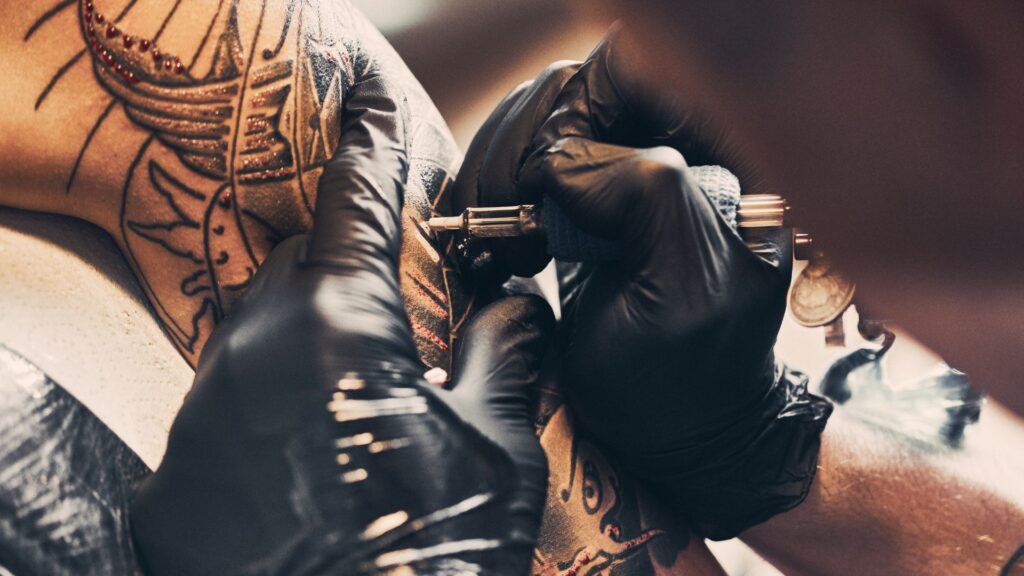
Planning your tattoo design is an intricate process that combines imagination, personal significance, and technical feasibility. Start by gathering inspiration from a variety of sources such as art, nature, and cultural motifs, but avoid copying others’ work directly. Sketches, digital mockups, and consultations with a skilled artist help refine your concept and ensure the design suits the shape and size of the chosen body area. Consider how the design will age over time, especially for fine lines or delicate shading. The planning phase is crucial because thoughtful design ensures that your tattoo remains visually appealing and meaningful for years to come. Taking time to explore multiple ideas allows you to discover a concept that truly resonates with your identity and story.
Collaboration with your tattoo artist is a cornerstone of successful design planning. Experienced artists can advise on line thickness, color palettes, and placement to complement your skin tone and body structure. During consultations, sharing personal stories or symbolic elements can inspire unique designs that reflect who you are. Artists may suggest adjustments to enhance visibility, flow, or longevity while keeping the original concept intact. This dialogue ensures that the final artwork is not only aesthetically pleasing but also tailored to your personal narrative. Thoughtful planning transforms a tattoo from a simple image into a meaningful expression of identity, making the first experience both exciting and deeply satisfying.
Preparing Your Body for the Session
Proper preparation of your body is essential for a comfortable tattoo experience. Hydrating well in the days leading up to your appointment ensures that your skin is supple and better able to accept ink. Eating a balanced meal before your session can help prevent lightheadedness and maintain energy levels, especially for longer appointments. Avoid alcohol and blood-thinning medications beforehand, as they can increase bleeding and affect the quality of the tattoo. Wearing comfortable clothing that allows easy access to the tattoo area minimizes disruption and helps you relax during the process. Physical preparation contributes significantly to the overall ease and success of your first tattoo.
Mental preparation is equally important when getting your first tattoo. Stress, nerves, or fear of pain can interfere with the experience, so adopting calming strategies such as deep breathing, visualization, or listening to music can make a noticeable difference. Accepting that some discomfort is normal and focusing on the excitement of permanent self-expression helps maintain a positive mindset. Preparing both your body and mind ensures that your first tattoo session is manageable, enjoyable, and memorable. A combination of physical readiness and mental composure allows you to embrace the process fully, transforming potential anxiety into anticipation and creativity.
Understanding Tattoo Pain and Comfort
Tattoo pain varies depending on individual tolerance, body placement, and tattoo style. Areas with thinner skin, closer to bone, or containing more nerve endings tend to be more sensitive. Conversely, fleshier areas may feel less discomfort. Understanding where pain might be more intense helps first-timers mentally prepare and manage expectations. Using numbing creams or discussing short breaks with your artist can alleviate discomfort. Being informed about the sensations involved enables you to focus on the artistry rather than the pain, turning the session into a more enjoyable experience. Knowledge about tattoo pain transforms apprehension into confidence and readiness.
Comfort strategies during your tattoo session enhance both your physical and emotional experience. Sitting or lying in positions that reduce strain, bringing snacks or water for long sessions, and communicating openly with your artist about any discomfort ensures the process remains manageable. Experienced artists adjust techniques to accommodate client needs and promote comfort without compromising quality. Listening to your body and taking advantage of breaks helps maintain focus and endurance. Prioritizing comfort allows you to fully engage with the creative process, leaving you with a positive memory of your first tattoo experience.
Choosing Tattoo Placement Wisely
Selecting the placement of your tattoo requires consideration of visibility, personal significance, and lifestyle. Some individuals prefer highly visible locations to showcase their artwork, while others choose discreet areas for professional or personal reasons. Placement affects the design’s appearance and the way it interacts with the body’s natural curves, so consulting with your artist ensures optimal alignment. Additionally, certain placements may involve more pain, so factoring comfort into your decision is important. Thoughtful placement ensures your tattoo complements your body and fits your daily life, creating a lasting and harmonious piece of art.
Long-term considerations are essential when choosing tattoo placement. Weight fluctuations, sun exposure, and skin elasticity can affect the tattoo’s appearance over time. Choosing areas less prone to stretching or friction helps maintain sharp lines and vibrant color. Discussing future plans, including additional tattoos, ensures that your first piece fits cohesively within potential designs. Placement is not only about aesthetics but also about the practical aspects of care and longevity. Making a deliberate and informed choice transforms a tattoo from a temporary impulse into a meaningful and enduring form of expression.
Aftercare for Healing and Longevity
Proper aftercare is vital to ensure your tattoo heals well and retains its quality. Keeping the area clean, applying recommended ointments, and avoiding excessive sun exposure prevents infection and fading. Follow your artist’s guidance closely and refrain from picking at scabs or scratching the tattoo, as this can compromise the ink and overall design. Healing times vary depending on size, placement, and personal skin type, but attentiveness during this period has a significant impact on the final result. Consistent care during the first few weeks preserves the artwork and reduces the risk of complications.
Aftercare extends beyond the initial healing phase to long-term maintenance. Moisturizing regularly and protecting the tattoo from sun damage keeps the colors vibrant and the lines sharp for years. Wearing loose clothing over fresh tattoos minimizes irritation, while avoiding swimming or intense exercise during healing prevents infection. Understanding the full scope of aftercare responsibilities empowers first-timers to protect their investment. Taking the time to learn proper healing techniques ensures that your first tattoo remains a source of pride, beauty, and self-expression for a lifetime.
Setting Realistic Expectations
Entering your first tattoo session with realistic expectations fosters a positive experience. While tattoos are works of art, they may not be perfect from the start. Some redness, swelling, or minor inconsistencies are normal and typically resolve during healing. Patience and understanding of the process reduce disappointment and enhance enjoyment. Viewing the tattoo as a personal journey rather than an instant masterpiece encourages flexibility and appreciation for the evolving nature of body art. This mindset helps first-timers embrace the experience fully and celebrate the uniqueness of their chosen design.
Realistic expectations also extend to session length, pain, and costs. Knowing that multiple sessions may be required for detailed work prevents frustration and allows better planning. Understanding the financial commitment and potential time investment ensures a smoother experience. Recognizing that tattoos are long-term investments in personal expression encourages careful consideration and commitment. A balanced approach to expectations transforms apprehension into excitement, resulting in a more satisfying and rewarding first tattoo experience.
Preparing Mentally for Your Session
Mental preparation complements physical readiness for a tattoo session. Approaching the experience with curiosity, openness, and patience enhances enjoyment and reduces stress. Visualization of the process, positive affirmations, or meditation can help calm nerves and build confidence. Focusing on the personal significance of the tattoo rather than fear of pain transforms anticipation into anticipation and excitement. Mental preparedness allows first-timers to embrace the experience fully and engage meaningfully with the artistic process. A strong mental approach enhances focus and resilience during the session.
Mental preparation also includes setting realistic expectations and acknowledging potential challenges. Accepting that discomfort is temporary and viewing the session as a creative journey fosters a positive mindset. Communicating openly with your artist about concerns and preferences ensures a collaborative and supportive environment. Being mentally ready helps you remain relaxed, patient, and engaged throughout the tattooing process. Combining mental readiness with proper physical preparation ensures a smooth, enjoyable, and memorable first tattoo experience that leaves a lasting impression.
Planning Your Budget and Appointment
Budgeting and scheduling are crucial components of preparation. Understanding the cost structure of tattoo studios in Minneapolis helps avoid surprises and allows for better financial planning. Prices depend on design complexity, size, color, and artist experience. Planning your appointment in advance ensures availability with your preferred artist and accommodates any pre-session consultations. Considering both budget and scheduling needs helps first-timers approach their tattoo with confidence and reduces last-minute stress. Being proactive in planning strengthens your overall experience and ensures smooth logistics.
Appointments also provide a structure for mental and physical preparation. Confirming the session details, arrival time, and any required documentation allows for a stress-free start. Bringing identification and following studio guidelines streamlines the process and demonstrates respect for the artist’s time. Budgeting and scheduling are integral to a positive first tattoo experience, ensuring that your focus remains on the creative journey rather than logistical concerns. Thoughtful planning sets the stage for a successful and memorable introduction to the world of tattoos.
Conclusion
Preparing for your first tattoo in Minneapolis is a journey that blends curiosity, creativity, and careful planning. By understanding the experience, selecting the right studio, designing thoughtfully, and taking care of your body and mind, first-timers can approach their session with confidence and excitement. Attention to placement, aftercare, and realistic expectations ensures that the tattoo remains a source of pride and self-expression for years. Each step of preparation enhances both comfort and enjoyment, creating a lasting memory of your initial experience in the world of body art.
For anyone looking to begin this journey in Minneapolis, Nokomis Tattoo offers a welcoming and professional environment. Their team guides clients through every stage, from consultation to aftercare, ensuring the process is safe, creative, and enjoyable. Whether you’re a first-timer or returning for another piece, the studio’s dedication to quality and personal expression makes it an excellent choice. Contact Nokomis Tattoo at 952-999-2181 or email [email protected] to schedule your appointment and take the first step toward your meaningful tattoo experience.