
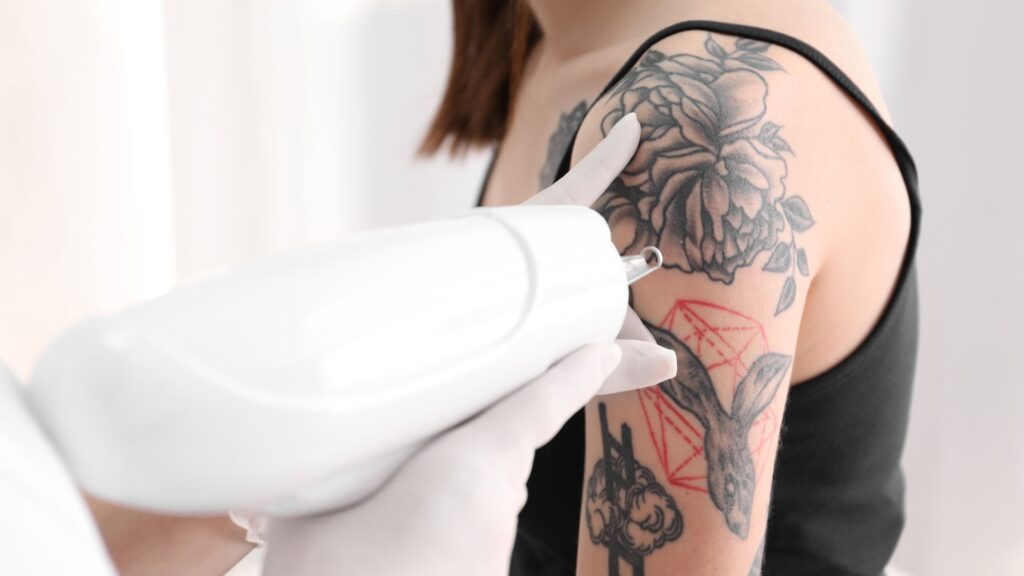
Before jumping into a cover up, it is essential to thoroughly examine the tattoo you want to transform. The size, color, and complexity of your current ink will directly influence the design options available. Lighter tattoos offer more flexibility, while darker and heavily saturated designs may require a bolder approach to ensure proper coverage. Spend time reflecting on why you want to cover the piece and what kind of new expression you are seeking. This self-awareness can guide your artist in crafting a design that feels personal and authentic.
Equally important is considering the placement of your existing tattoo. Certain areas of the body can present challenges for covering up because of their contours and visibility. Arms, shoulders, and backs are often more forgiving for reworking designs, while hands, fingers, and necks may require more precise planning. Taking clear photos and discussing them with a professional can provide a realistic view of what’s achievable and prevent surprises during the tattooing process.
Selecting the Right Design
Choosing the right design for a cover-up tattoo involves a thoughtful balance between aesthetics, practicality, and the technical needs of the existing tattoo. Cover-ups require more complexity than original pieces because the new artwork has to visually overpower the old lines, shading, and shapes. Artists often incorporate darker tones, detailed textures, bold outlines, or layered elements to successfully conceal the previous design. Even if a client initially imagines a minimalist or light-toned tattoo, the artist may suggest adjustments to ensure the finished piece properly hides the old ink while still looking intentional and visually appealing.
Equally important is how the new tattoo reflects your personality and artistic preferences. Although the technical requirements of the cover-up must be addressed, your style—whether minimalist, illustrative, traditional, or realistic—should still guide the design direction. A skilled artist can rework or reinterpret your idea so that it blends seamlessly with the underlying tattoo while staying true to your desired look. This may involve modifying compositions, adding complementary motifs, or introducing shading patterns to create balance and flow.
 Finding a Skilled Tattoo Artist
Selecting an experienced cover-up artist is one of the most important steps in ensuring a successful transformation. Not all tattooists are trained or comfortable working with old ink, especially when it involves faded lines, heavy blackwork, or uneven shading. Review the portfolios of potential artists and look for consistent cover-up results that demonstrate creativity and technical skill. The best artists know how to incorporate existing shapes into new compositions rather than simply placing a darker design on top. They also understand how skin ages, how pigment settles, and how to structure a design that remains crisp and well-concealed long after the session is complete.
Beyond technical ability, communication is crucial when choosing the right artist. A good cover-up specialist will listen carefully to your goals while also being honest about what is achievable. They may recommend changes to your concept based on pigment behavior, placement, or the degree of coverage needed. This collaborative exchange ensures that expectations are aligned and reduces the risk of disappointment later on. Scheduling a consultation allows you to ask questions, view healed examples of previous work, and establish comfort with the artist’s process.
Evaluating Color and Coverage
Color selection plays a vital role in the success of any cover-up tattoo. Darker colors such as black, deep blues, burgundy, and forest green are often used to mask previously bold or heavy lines because these pigments naturally dominate lighter shades. While lighter tones can still be incorporated, they generally serve as highlights rather than primary coverage. Understanding how old pigment interacts with fresh ink helps prevent issues like muddiness, uneven color distribution, or patchy healing. Skilled artists use strategic blending, contrast control, and layering techniques to build depth and dimension while ensuring the old design remains fully concealed.
Coverage, however, extends beyond simply choosing darker hues. Artists often employ gradients, shadows, ornamental elements, or background textures to disguise stubborn parts of the original tattoo. These additional components help guide the viewer’s eye toward the new focal point and away from any lingering shapes beneath the surface. Incorporating these features creates a smoother, more cohesive composition that appears seamless across the skin. This approach results in a tattoo that looks complete, sophisticated, and natural in its placement. By working with an artist who understands how to balance saturation, negative space, and fine detail, you can achieve a cover-up that not only hides the past but elevates your tattoo into a refreshed work of art.
Planning for Size and Placement
When planning a cover-up, size is often one of the biggest adjustments clients must consider. Because the new tattoo must fully conceal the previous one, the cover-up typically needs to be larger and more complex than the original. This expansion allows the artist to integrate shadows, motifs, and structural elements that disguise old lines and blend the new design into surrounding skin. While some clients initially hesitate to go bigger, increasing the scale is often the key to achieving a cleaner and more impressive result.
Placement is equally significant because it affects both the long-term visual outcome and your overall satisfaction. Repositioning certain parts of the design, adjusting angles, or expanding into nearby areas can dramatically improve how well the cover-up blends into the body’s natural curves. Your lifestyle and visibility preferences should also be considered—whether you want the tattoo easily seen, easily hidden, or placed where pain level is manageable. Discussing these factors with your artist ensures the final piece sits harmoniously on your body and ages gracefully.
Preparing Mentally and Physically
Cover-up tattoos can be more emotionally charged than new tattoos because they often represent change, closure, or personal growth. Approaching the session with a prepared mindset helps reduce stress and makes the experience more positive. Reflecting on your reasons for replacing the old tattoo can provide a sense of clarity and excitement about the transformation. Additionally, cover-up sessions tend to be longer and more intricate due to the layering and detail required. Being mentally ready for the length of the session, the discomfort level, and the artist’s technical process helps ensure you remain calm and comfortable throughout.
Physical preparation is just as important for achieving optimal results. Hydrating well, getting enough rest, and eating a good meal before your appointment help keep your body stable and your skin healthy. Following any pre-session skincare instructions—such as moisturizing, avoiding sunburn, and not consuming alcohol—is crucial because healthy skin accepts ink more effectively and heals more smoothly. Aftercare is equally vital, as cover-up tattoos may require extra attention to ensure proper settling of pigment.
Scheduling the Session
Scheduling your cover-up tattoo session requires thoughtful planning to ensure the best possible results and a comfortable experience. Many cover-up projects require multiple sessions, especially if the original tattoo is heavily saturated, large, or complex in shape. Spacing out these sessions gives your skin the necessary time to heal between appointments, reducing irritation and ensuring that each layer of ink settles properly. A rushed schedule can lead to prolonged healing, uneven pigment retention, and unnecessary discomfort. By discussing timelines clearly with your chosen artist, you can plan a realistic roadmap for the transformation, allowing you to approach the process with confidence and well-managed expectations.
Environmental, lifestyle, and seasonal factors should also influence your scheduling decisions. Healing a new tattoo is more difficult during periods when you may be exposed to excessive sweat, sun exposure, or water immersion. Planning your appointments during a time when you can control these variables helps protect the tattoo and ensures the healing process is smooth. For example, scheduling sessions outside of peak summer months or avoiding times when you expect heavy physical activity can significantly improve your tattoo’s outcome. A thoughtful approach to timing reduces complications, supports proper healing, and ultimately contributes to a well-executed, long-lasting cover-up.
Aftercare for Cover Up Tattoos
Aftercare is especially important for cover-up tattoos, as these designs often involve more layers, deeper saturation, and larger coverage areas. Proper care begins immediately after the session and continues for several weeks. Following your artist’s specific instructions—such as gently washing the area, applying recommended ointments, and avoiding tight clothing or friction—helps preserve the clarity and vibrancy of the ink. Cover-ups tend to be more sensitive due to the density of pigment, so protecting the tattoo from unnecessary irritation is essential for achieving a crisp and well-blended finish.
During healing, patience is your greatest ally. It’s normal for the tattoo to peel, scab lightly, or appear slightly dull before the color brightens again. Avoid scratching or picking at the area, as doing so can cause patchiness, fading, or even scarring. Monitor the tattoo for unusual redness or discharge, and contact your artist if anything seems abnormal. Maintaining good hygiene, staying hydrated, and keeping the tattoo moisturized all contribute to smooth healing. By dedicating time and care to aftercare, you ensure your cover-up tattoo settles beautifully and maintains its professional quality for years to come.
Adjusting Expectations
Cover-up tattoos offer remarkable transformation opportunities, but they also come with technical limitations that clients should understand early on. The old tattoo’s placement, linework, color saturation, and size greatly influence what is possible in the new design. Intricate details or soft pastel colors may not be feasible if the underlying ink is too bold or dark. When you understand these constraints, you can approach the design process with realistic expectations and a willingness to collaborate. This helps reduce frustration and ensures you appreciate the artistry involved in creating a cohesive, well-executed cover-up.
Being flexible with your design ideas can lead to better artistic outcomes. Sometimes, the most impressive cover-ups emerge when clients allow their artists to adjust concepts, expand the design, or incorporate unexpected elements that improve overall coverage. This creative adaptability allows the artist to camouflage the old tattoo while enhancing the beauty of the new one. Embracing changes and trusting your artist’s expertise often results in a design that exceeds your initial vision. Adjusting expectations doesn’t limit creativity; it opens the door to artistic solutions that produce a polished, intentional, and deeply satisfying final piece.
Evaluating Costs and Budget
Budgeting is an essential part of planning for a cover-up tattoo, as these projects often require more time, skill, and materials compared to standard tattoos. Cover-ups are more complex, and many artists charge accordingly due to the advanced techniques and extended sessions involved. Understanding these cost factors helps you prepare financially and prevents unexpected expenses. During your consultation, discuss pricing openly so you know how many sessions may be needed, what the hourly rate is, and which elements of the design may affect total cost. Clear communication fosters trust and ensures both you and your artist are aligned.
While budgeting, remember that quality should always take priority over price. A cover-up tattoo is a long-term investment in correcting and elevating an existing piece of body art. Paying for a highly skilled artist often results in smoother coverage, better color retention, and a more cohesive final design. Cutting corners to save money can lead to poor results, potentially requiring even more corrections later. Investing in a professional, experienced cover-up artist ensures durability, beauty, and long-term satisfaction. When you approach your budget with care and intention, you set yourself up for a cover-up that is both visually impressive and worth every peso you invest.
Conclusion
Planning a cover up tattoo in Minneapolis requires a thoughtful approach, combining creative vision with practical considerations. From evaluating your existing tattoo to selecting a design, consulting with a skilled artist, and preparing mentally and physically, each step contributes to a successful transformation. Proper aftercare, realistic expectations, and careful budgeting further ensure the final piece meets your aesthetic and personal standards. By addressing these factors, you can turn an old or unwanted tattoo into a striking work of art that reflects your identity and style.
For those seeking professional guidance in Minneapolis, Nokomis Tattoo is an excellent choice. Located conveniently in the heart of Minneapolis, the shop provides experienced artists who specialize in cover up tattoos and personalized designs. Scheduling an appointment is straightforward, and clients can reach out via phone at 952-999-2181 or email at [email protected] for inquiries. Their expertise ensures that each cover up is not only effective but also artistically compelling, providing lasting satisfaction and a fresh start for your body art journey.